Professional Arborist Services: Specialist Woodland Management for Improved Landscapes
A professional tree expert plays an essential role in preserving healthy landscapes. These experts have extensive knowledge in arboricultural science, offering tailored treatment tailored to individual needs. From careful trimming to pest management, their knowledge guarantees trees thrive. Understanding the importance of tree health assessments is essential for property owners. However, the process of selecting the ideal professional and the methods they use can be complex. What should one consider when seeking expert assistance?
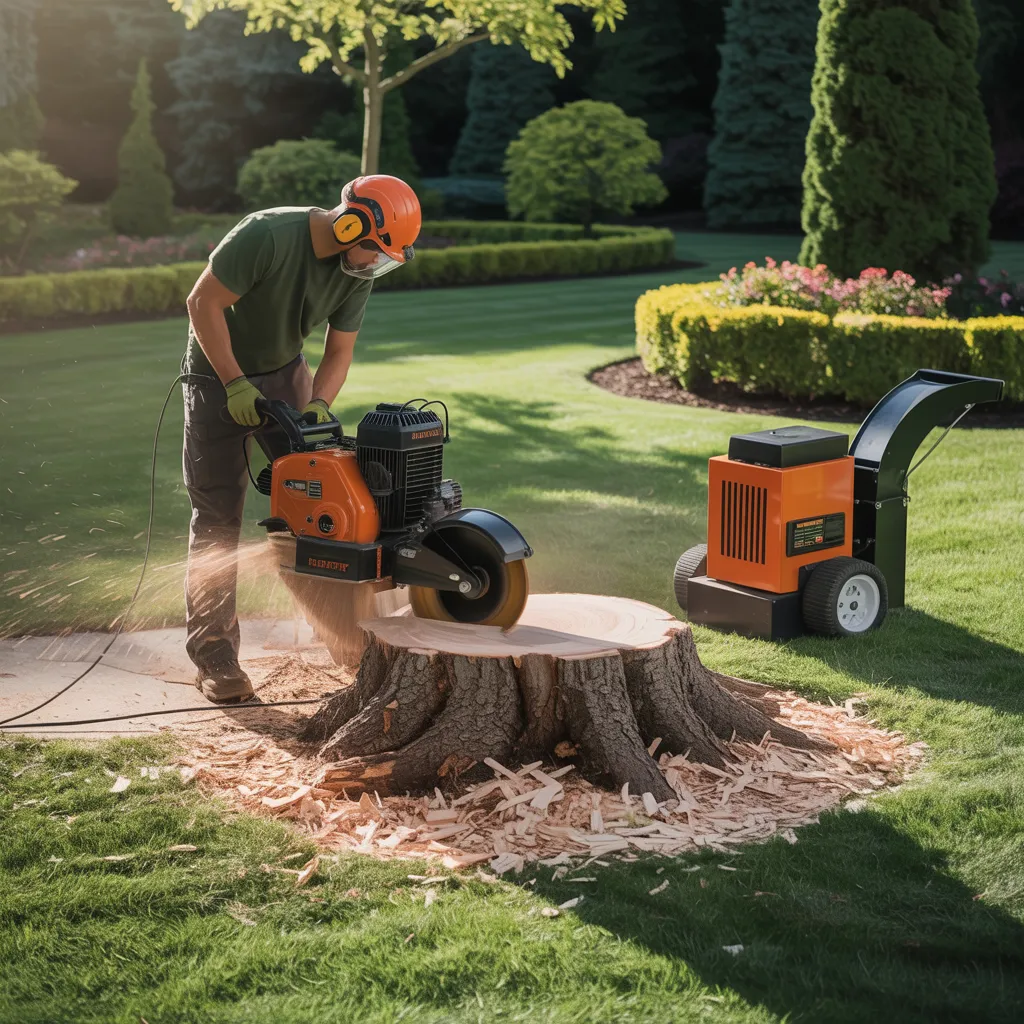
Explaining a Trained Arborist and Why You Should Get One
What characterizes a certified arborist, and why is their expertise vital for tree care? A certified arborist is a specialist who has completed intensive instruction and testing in tree biology, care, and management. They have a deep comprehension of tree species, growth patterns, and diseases, enabling them to make well-reasoned decisions about tree health and maintenance. Certification from an established organization, such as the International Society of Arboriculture, ensures that these professionals comply to industry standards and best practices.
The necessity for certified arborists emerges from the difficulty involved in tree care. Trees are crucial to ecosystems, supplying benefits including shade, habitat, and cleaner air. Neglectful care can produce damage or decline, influencing both the trees and the neighboring environment. By consulting with a certified arborist, companies and individuals can assure that their trees obtain skilled attention, fostering longevity and health while decreasing dangers connected with tree care practices.
Necessary Solutions Provided by Qualified Arborists
Certified arborists provide a range of vital services fundamental for maintaining tree health and safety. Two key services include specialized tree pruning techniques, which improve growth and structural integrity, and efficient pest management approaches that safeguard trees from harmful pest invasions. These services are critical for maintaining the ecological balance and ensuring the durability of trees in various landscapes.
Tree Cutting Approaches
The role of effective tree pruning techniques is crucial in maintaining tree health and visual appeal. Certified arborists apply diverse methods to ensure optimal growth and durability. Thinning entails selectively cutting branches to boost air circulation and light penetration, thereby improving overall tree health. Crown reduction limits the height and spread of trees while retaining their structure, which is important for urban settings. Deadwooding involves removing dead or diseased branches to prevent decay and pest invasion. Additionally, shaping aids in developing a natural shape, increasing attractiveness. Each procedure demands knowledge of tree biology and growth patterns, confirming that pruning benefits instead of damaging the tree. These skilled practices greatly improve healthier landscapes and the lifespan of trees within them.
Comprehensive Insect Control Plans
Pest management tactics are essential for safeguarding the vitality of trees and landscapes. Qualified arborists employ a variety of techniques to identify, monitor, and control pest populations productively. These tactics often initiate with a extensive assessment of the environment, allowing arborists to verify the presence of injurious pests and assess tree health. Integrated Pest Management (IPM) is a widespread approach, integrating biological, cultural, and chemical methods to lessen damage while encouraging ecological balance. Additionally, arborists teach property owners on preventative measures, such as proper watering, mulching, and tree selection. Regular monitoring and early intervention are critical components, ensuring that pest issues are addressed before they escalate. This proactive management nurtures healthier trees and contributes to vibrant landscapes.
Why Are Tree Health Assessments Important?
While numerous property owners value the aesthetic charm and environmental advantages of trees, understanding the importance of tree health assessments is essential for preserving their strength. Tree health assessments provide a thorough analysis of a tree's condition, identifying potential risks and hidden complications that may not be immediately visible. These assessments allow arborists to detect diseases, pest infestations, and structural weaknesses early, facilitating timely action.
Routine evaluations can also guide proper maintenance practices, ensuring that trees get suitable nourishment, water, and pruning. Additionally, healthy trees support improved air quality, increased property value, and greater biodiversity. By emphasizing tree health inspections, homeowners can make well-considered decisions that encourage the durability and resilience of their landscapes. Ultimately, these preventive measures not only safeguard individual trees but also support the overall health of the ecosystem, benefiting both the property and the community at large.
Picking the Correct Arborist Matched to You
When choosing an arborist, homeowners should evaluate various factors to ensure they receive high-quality arboricultural services. First, verifying credentials is vital; certified arborists possess the education and expertise required for proper tree management. Homeowners should also evaluate the arborist's experience and specialization, particularly in areas relevant to their specific trees and landscape.
Additionally, securing references and reading reviews can provide insight into the arborist's reputation and reliability. Transparency in rates and services rendered is vital; a established arborist will provide detailed quotes and discuss recommended procedures.
A key consideration is equipment and techniques used, as advanced equipment and methods can greatly impact tree condition. Ultimately, assessing the arborist's interpersonal skills can guarantee that homeowners remain informed and comfortable throughout the project. Through evaluating these factors, homeowners can arrive at informed choices that lead to healthier trees and landscapes.
Pruning Practices From Certified Arborists
Pruning is necessary for maintaining the wellness and appearance of trees. Experienced professionals employ different techniques to guarantee successful pruning outcomes, which enhance growth and ward off disease. Learning these strategies allows property owners to recognize the worth of qualified arboricultural services.
The Critical Role Of Pruning
Proper tree care is built on the proficient execution of trimming practices, as certified arborists acknowledge the essential importance this method plays in preserving tree health. Pruning not only boosts the visual appeal of trees but also encourages healthier growth by allowing sunlight and air to penetrate the canopy. It takes out dead or diseased branches, curtailing the spread of pests and diseases, which can jeopardize the overall health of the tree. Additionally, purposeful pruning improves structural integrity, reducing the risk of branch failure during storms. By establishing better shape and balance, arborists ensure trees can thrive in their environment, ultimately contributing to a healthier landscape. Therefore, the importance of pruning should not be minimized in any thorough tree care program.
Strategies For Effective Pruning
Mastering pruning techniques is essential for certified arborists aiming to optimize tree health and aesthetics. Among the most effective methods is the thinning cut, which eliminates select branches to enhance light penetration and air circulation. The heading cut, on the other hand, encourages new growth by reducing the height of a tree. Additionally, the reduction cut minimizes tree size while maintaining its shape and structure. Arborists emphasize the significance of timing, advocating for pruning during dormancy to reduce stress on the tree. Proper tools, such as sharp shears and saws, guarantee clean cuts, reducing the risk of disease. Ultimately, utilizing these techniques promotes robust tree development and improves the overall landscape.
Year-Round Tree Care From Professional Arborists
Year-round consistent tree care is imperative for maintaining the health and stamina of trees. Certified arborists play a crucial role in this continuous process, offering tailored services suited to the particular examination needs of trees through various seasons. In springtime, they evaluate tree growth and apply fertilization methods to stimulate vitality. During the summer months, arborists inspect for pests and diseases, ensuring timely interventions to limit risks. As autumn nears, their attention turns to pruning dead or diseased branches to increase air circulation and light penetration. Winter involves inspections to equip trees for difficult conditions ahead, with a focus on structural integrity. Throughout the year, certified arborists extend valuable advice on watering, mulching, and other care strategies, encouraging a holistic approach to tree health. This thorough care guarantees that trees grow, enhancing the overall beauty and resilience of landscapes.
Long-Term Benefits from Professional Tree Care
Professional tree care offers substantial long-term benefits that transcend immediate visual improvements. Engaging trained tree experts ensures that trees obtain expert inspections, appropriate pruning, and health observation, which foster to their condition and longevity. Healthy trees not only improve property value but also increase air quality and provide shade, minimizing energy costs.
Investing in professional care reduces the dangers tied to pest infestations and diseases, ultimately lowering maintenance costs over time. Moreover, carefully maintained trees are less prone to suffer from storm damage, protecting both property and surrounding landscapes.
In urban settings, trees support biodiversity and establish habitats for wildlife. By nurturing a thriving ecosystem, professional tree care advances environmental sustainability. Overall, the extended advantages of expert tree management are multifaceted, enriching both personal spaces and the broader community, making it a prudent investment for property owners.
Typically Inquired Questions
What Is the Typical Price of Qualified Tree Expert Services?
Certified arborist offerings generally cost between $75 to $1,500, contingent on considerations like tree size, service type, and location. Homeowners should collect several bids to secure fair rates for vital tree care.
Do Certified Arborists Have Insurance Coverage and Professional Credentials?
Professional arborists must usually be both appropriately licensed and fully covered by insurance. This confirms that they copyright industry standards and regulations, granting clients with security regarding the expertise and safety of their services.
What Qualifications Do Certified Arborists Hold?
Certified arborists typically possess a degree in forestry, plant cultivation, or a similar field. They must pass an exam and pursue ongoing training, guaranteeing they possess up-to-date knowledge and skills in tree care and management.
How often Should Trees Be checked by an Arborist?
Trees need to be reviewed by an arborist every 3 to 5 years, or more regularly if signs of stress, disease, or damage show up. Frequent evaluations ensure excellent health and protection within the landscaped space.
Do Certified Arborists Offer Support for Insect Control?
Certified arborists can certainly assist with pest management. They evaluate tree condition, recognize pest problems, and suggest appropriate solutions, ensuring trees stay healthy and strong against infestations while encouraging overall landscape strength and sustainability.